
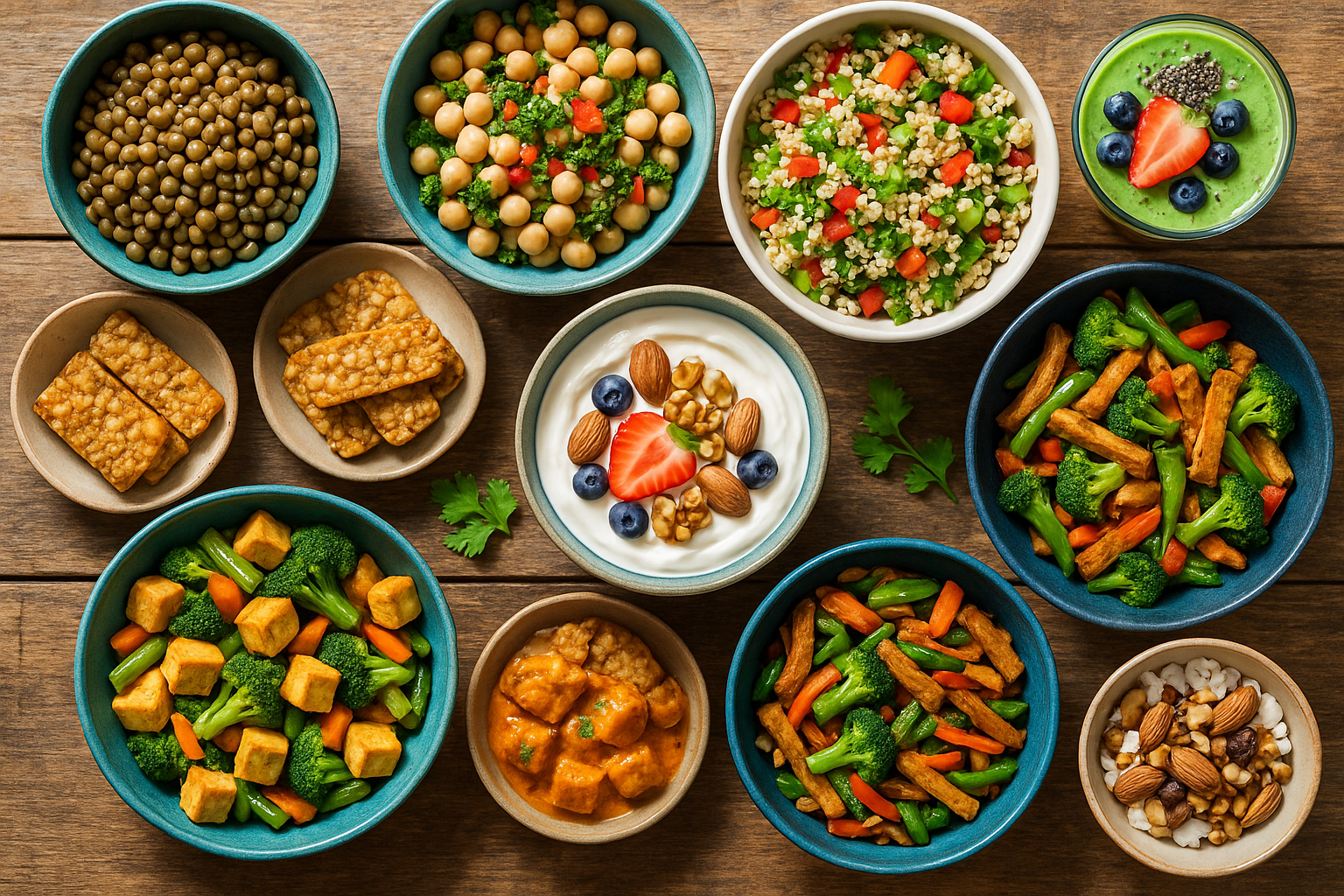
Protein is an essential nutrient that helps build muscles, repair tissues, and support overall health. While many people associate high protein intake with meat, vegetarians can also meet their daily protein requirements through thoughtful meal planning. Incorporating high-protein vegetarian meals into your diet not only keeps you energized but also supports weight management, boosts metabolism, and enhances overall well-being.
1. Lentils and Legumes – The Protein Powerhouses
Lentils, chickpeas, black beans, and kidney beans are excellent sources of plant-based protein. One cup of cooked lentils provides around 18 grams of protein, making them ideal for breakfast, lunch, or dinner. You can enjoy them in soups, salads, curries, or lentil burgers. Combining legumes with whole grains, like rice or quinoa, ensures you get all essential amino acids for complete protein intake.
2. Quinoa – A Complete Protein Grain
Quinoa is a gluten-free grain packed with protein, providing about 8 grams per cup. It’s also rich in fiber, vitamins, and minerals. Quinoa can be used in salads, stir-fries, or breakfast bowls, and its nutty flavor pairs well with vegetables, tofu, and seeds. Unlike many plant foods, quinoa contains all nine essential amino acids, making it a perfect protein source for vegetarians.
3. Tofu and Tempeh – Versatile Soy Products
Tofu and tempeh are made from soybeans and are excellent high-protein options for vegetarians. Tofu provides around 10 grams of protein per half-cup serving, while tempeh offers about 15 grams. Both are extremely versatile: you can stir-fry them with veggies, grill them, or add them to soups and salads. Marinating tofu or tempeh enhances flavor and makes it a satisfying protein-rich meal option.
4. Greek Yogurt – Protein-Rich Dairy
Greek yogurt is a fantastic source of protein for vegetarians who consume dairy. A single cup of Greek yogurt contains approximately 15–20 grams of protein. It can be eaten plain, with fruits, nuts, or seeds, or incorporated into smoothies and breakfast bowls. Greek yogurt also provides probiotics, which support gut health, making it a nutritious addition to any diet.
5. Nuts, Seeds, and Nut Butters
Almonds, peanuts, chia seeds, flaxseeds, and pumpkin seeds are high in protein and healthy fats. For example, two tablespoons of peanut butter provide about 8 grams of protein. These can be added to smoothies, oatmeal, salads, or snacks, helping to increase protein intake without compromising on taste.
6. Eggs – A Complete Vegetarian Protein Source
For vegetarians who include eggs in their diet, eggs are one of the most complete sources of protein, containing all essential amino acids. One large egg provides around 6 grams of protein. They can be prepared in various ways – boiled, scrambled, omelets, or frittatas – making them a versatile and easy option for any meal.
7. Cottage Cheese (Paneer) – Delicious and Protein-Packed
Paneer, a popular Indian cheese, is rich in protein, with approximately 14 grams per 100 grams. Paneer can be used in curries, salads, wraps, or grilled dishes. It’s not only a protein powerhouse but also provides calcium and other nutrients essential for bone health.
8. Protein Smoothies – Quick and Nutritious
Protein smoothies are a convenient way to increase your protein intake, especially when you’re on the go. Combine Greek yogurt, milk or plant-based milk, protein powder, fruits, and seeds for a nutrient-dense, protein-packed meal. These smoothies can serve as breakfast, post-workout fuel, or an afternoon snack.
9. Seitan – The Wheat Protein Alternative
Seitan, made from gluten, is one of the highest-protein vegetarian foods, providing around 25 grams of protein per 100 grams. It has a meaty texture, making it ideal for stir-fries, sandwiches, or grilled dishes. Seitan is especially popular among vegetarians who want a protein-rich alternative to meat.
Conclusion
High-protein vegetarian meals are not only possible but delicious and versatile. By incorporating legumes, grains, soy products, dairy, nuts, and seeds, vegetarians can meet their daily protein requirements while enjoying a variety of tasty dishes. Whether you’re aiming to build muscle, maintain a healthy weight, or simply eat more nutritious meals, these protein-rich options make it easy to fuel your body effectively.