
Intermittent fasting (IF) has become one of the most popular health and wellness trends in recent years. It’s not a diet in the traditional sense, but a pattern of eating that alternates between periods of fasting and eating. Research shows that intermittent fasting can help with weight management, metabolic health, and even longevity. In this complete guide, we’ll cover the basics of intermittent fasting, popular methods, benefits, tips, and precautions.
1. What is Intermittent Fasting?
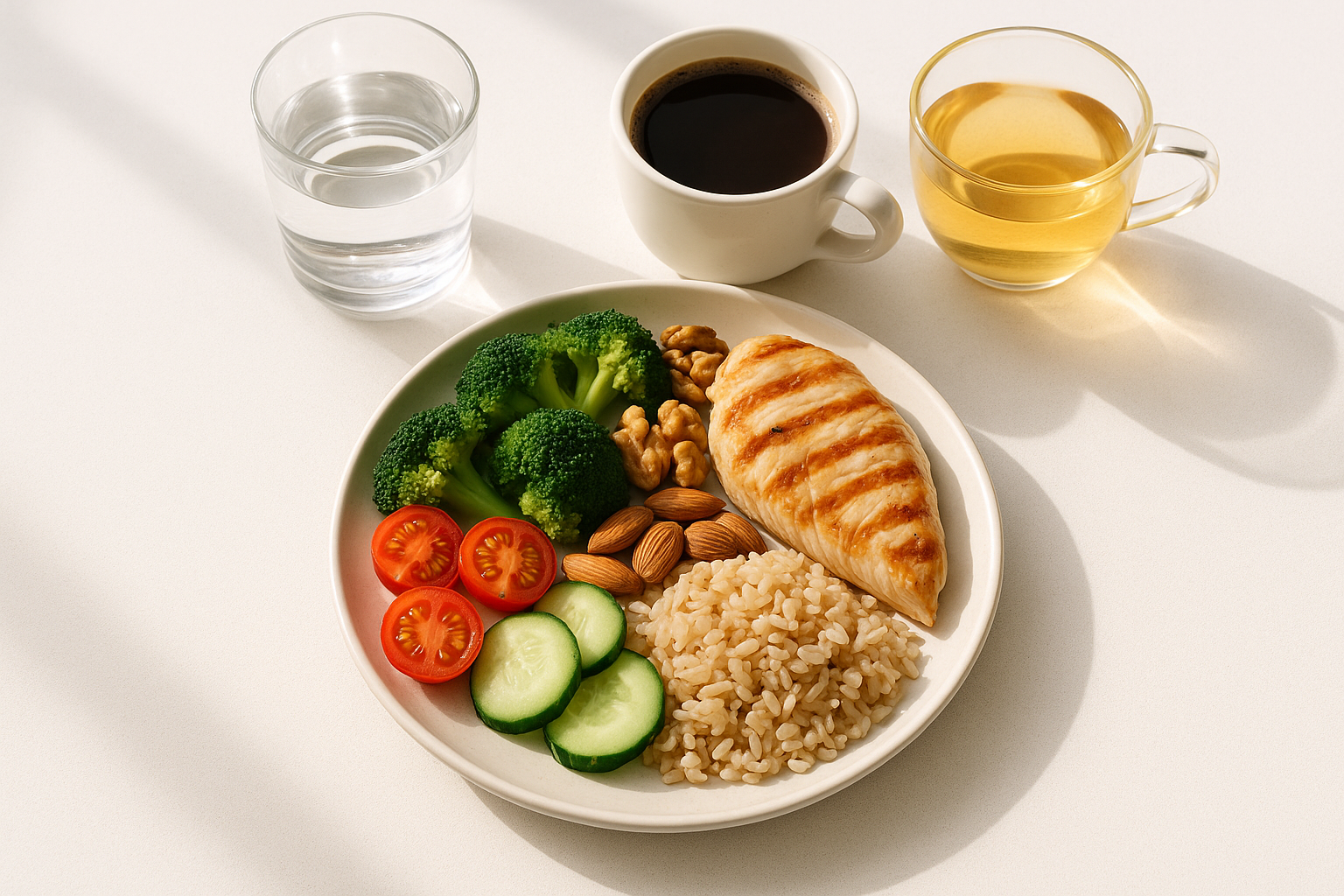
Intermittent fasting focuses on when you eat, not what you eat. Instead of counting calories or restricting specific foods, IF divides your day or week into eating windows and fasting windows. During fasting periods, you either avoid all food or limit intake to very low-calorie drinks like water, black coffee, or tea.
2. Popular Intermittent Fasting Methods
There are several ways to practice intermittent fasting:
- 16/8 Method: Fast for 16 hours and eat during an 8-hour window. For example, eating between 12 PM and 8 PM.
- 5:2 Method: Eat normally for 5 days a week and restrict calories to 500–600 on 2 non-consecutive days.
- Eat-Stop-Eat: Involves a 24-hour fast once or twice a week.
- Alternate-Day Fasting: Alternates between fasting days and regular eating days.
- Warrior Diet: Eat small portions of raw fruits and vegetables during the day, then have a large meal at night.
Choose a method that fits your lifestyle and is sustainable in the long term.
3. Health Benefits of Intermittent Fasting
Intermittent fasting offers numerous benefits backed by science:
- Weight Loss: Fasting reduces calorie intake and improves metabolism.
- Improved Insulin Sensitivity: Helps regulate blood sugar levels, lowering risk of type 2 diabetes.
- Cellular Repair: Fasting triggers autophagy, the process of removing damaged cells.
- Heart Health: Can lower cholesterol, triglycerides, and blood pressure.
- Brain Health: Supports neuroprotective functions and may reduce risk of neurodegenerative diseases.
- Longevity: Some studies suggest intermittent fasting may increase lifespan in animals and potentially humans.
4. What to Eat During Eating Windows
While intermittent fasting doesn’t restrict specific foods, choosing nutritious, whole foods enhances results:
- Lean proteins (eggs, tofu, lentils)
- Whole grains (quinoa, oats, brown rice)
- Healthy fats (avocado, nuts, seeds)
- Fruits and vegetables rich in fiber, vitamins, and antioxidants
- Plenty of water to stay hydrated
Avoid overloading on sugary, processed, or fried foods during eating windows as it can counteract the benefits of fasting.
5. Tips for Success with Intermittent Fasting
- Start Slowly: Begin with a shorter fasting window (e.g., 12 hours) and gradually increase.
- Stay Hydrated: Drink water, herbal teas, and black coffee to suppress hunger.
- Listen to Your Body: Fatigue, dizziness, or irritability may indicate your body isn’t adapting well.
- Maintain Consistency: Regular fasting schedules yield better long-term results.
- Combine with Exercise: Fasting paired with strength training or light cardio can enhance fat loss and muscle retention.
6. Who Should Avoid Intermittent Fasting?
Intermittent fasting is generally safe for healthy adults but may not be suitable for:
- Pregnant or breastfeeding women
- Individuals with a history of eating disorders
- People with diabetes or other medical conditions without medical supervision
- Children and adolescents
Always consult a healthcare professional before starting intermittent fasting if you have health concerns.
7. Common Myths About Intermittent Fasting
- Myth: “Fasting slows metabolism.”
Fact: Short-term intermittent fasting may slightly increase metabolism due to hormone regulation. - Myth: “You can eat anything during eating windows.”
Fact: Nutrition still matters for overall health and results. - Myth: “Intermittent fasting is just skipping breakfast.”
Fact: Fasting can be done in various patterns, not limited to skipping breakfast.
8. Conclusion
Intermittent fasting is a flexible and effective approach to improving health, managing weight, and enhancing metabolic function. It’s not a quick fix but a lifestyle strategy that works best when combined with balanced nutrition, exercise, and healthy habits. Start with a method that suits your lifestyle, stay consistent, and listen to your body for the best results.