
Gratitude is one of the most powerful yet underrated habits for personal growth and mental peace. Practicing gratitude daily doesn’t require extra time, money, or effort—just a shift in mindset. When you intentionally focus on what you already have instead of what you lack, your stress reduces, happiness increases, and life starts to feel more balanced. In today’s fast-paced world, learning to practice gratitude daily can significantly improve emotional well-being and overall life satisfaction.
Practicing gratitude helps rewire the brain to notice positivity. Instead of dwelling on problems, failures, or comparisons, gratitude trains the mind to appreciate small wins, relationships, health, and opportunities. Scientific studies show that people who practice gratitude regularly experience lower anxiety, better sleep, improved relationships, and higher self-esteem. Gratitude doesn’t ignore problems; it simply helps you face them with a calmer and more optimistic mindset.
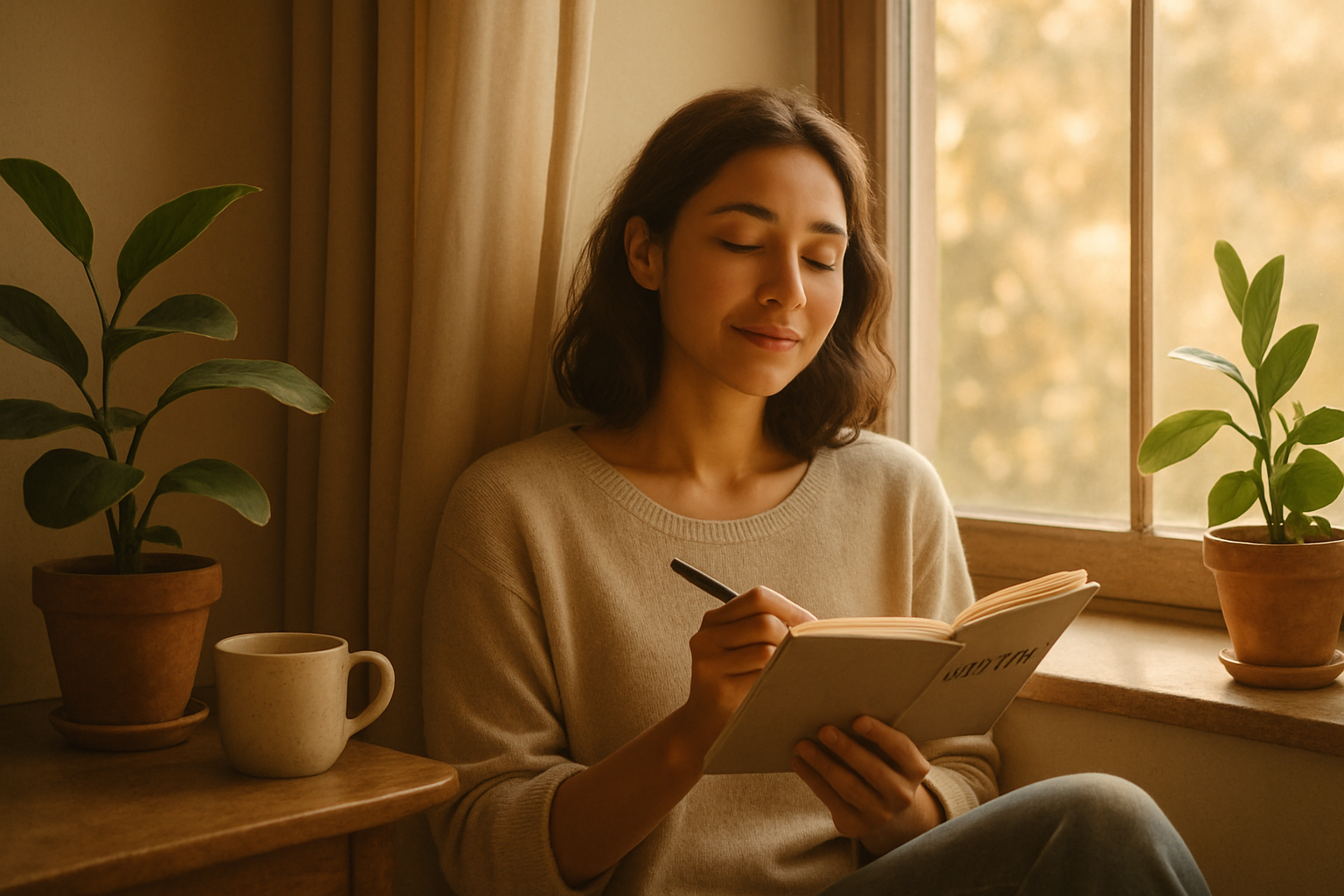
One of the easiest ways to practice gratitude daily is by starting a gratitude journal. Every morning or night, write down three things you are thankful for. These can be simple—good health, a supportive friend, a peaceful moment, or even a cup of tea. Over time, this habit builds emotional awareness and helps you recognize how much goodness already exists in your life.
Another effective method is mindful gratitude. Take a few minutes each day to pause and consciously appreciate your surroundings. While eating, walking, or resting, acknowledge the effort behind what you are experiencing. This practice grounds you in the present moment and reduces unnecessary mental clutter. Even during challenging days, finding one small thing to be grateful for can change your emotional state instantly.
Expressing gratitude to others strengthens relationships. Saying thank you—whether through words, messages, or actions—creates positive connections and mutual respect. When people feel appreciated, relationships become deeper and more meaningful. Gratitude also reduces ego and increases empathy, making communication healthier and more honest.
Gratitude can also be practiced during tough times. When life feels overwhelming, gratitude doesn’t mean pretending everything is fine. It means recognizing strength, lessons, and support during hardships. This perspective builds emotional resilience and helps you bounce back faster from setbacks.
To make gratitude a daily habit, keep it simple and consistent. Attach it to an existing routine like waking up, bedtime, or meals. Set reminders if needed. Over time, gratitude becomes automatic, shaping a positive mindset and disciplined emotional control.
In conclusion, learning to practice gratitude daily is a small habit with life-changing results. It improves mental health, strengthens relationships, increases happiness, and builds emotional discipline. When practiced consistently, gratitude transforms not just how you think—but how you live.